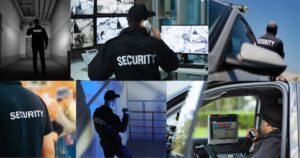
It’s early morning, and the streets are quiet. Somewhere behind a warehouse fence, motion flickers on a CCTV feed. It’s 3:00 AM, and the camera sees something but the real question is: who’s watching? And what happened next? In today’s security landscape, technology and human intervention often intersect. CCTV has become the silent observer of modern businesses, while mobile patrols remain the active responders on the ground. As threats grow more sophisticated, relying on one without the other creates gaps in coverage. The smartest security strategies no longer ask, “Which is better?” Instead, they ask, “How do we combine both?”
What CCTV Systems Do Best
CCTV systems are foundational in security infrastructure. With round-the-clock surveillance, motion detection, AI-based analytics, and remote access, these systems:
- Monitor sensitive zones without interruption
- Record incidents for investigation and evidence
- Provide visibility to off-site teams or monitoring centres
But even the most advanced cameras can only observe. They don’t speak, act, or decide. A camera might capture a crime as it happens—but without a human responder, it can’t stop it. And in some cases, footage might only be reviewed after the damage is done.
Why Mobile Patrols Still Matters
Mobile patrols add a dynamic, human presence to your security plan. Their duties also encompass rotating between the properties, conducting property examination and alarms, and preserving mental balance in the situation when de-escalation.
What their service is about:
- On-site action immediately when things go wrong
- People used to act more because of gut feeling than facts
- That which acts as a physical deterrent via presence
- Routes, routines that were adapted real time with response
Mobile patrols complete the loop between detection and response-whether it be monitoring open gates, responding to triggered alarms, or speaking to an individual loitering on site. Their visibility strengthens the perception of order and responsibility, notably in susceptible and high-traffic locations.
The Alarm Goes Off-So, a CCTV alert is triggered at 2:46 AM and is sent to a monitoring center, but what’s next?
With mobile patrols being in the game:
- A nearby unit responds.
- The officer reaches within minutes
The officer secures, assesses, and gets back The same alert would have waited in a queue for a reaction with no patrol service and turned into a preventable incident costing a few bucks at that. Time is of essence, and the human response can differentiate between deterre and not.
Of course, the very wise approach to security is not choosing one over the other, but rather learning how to use both CCTV and patrols. If you think this was good, there are still more insightful tips for you on our security blogs and find more down-to-earth take on things. Everything from the latest technology to improving on-the-ground response, we are here to help keep you informed, prepared, and safe.