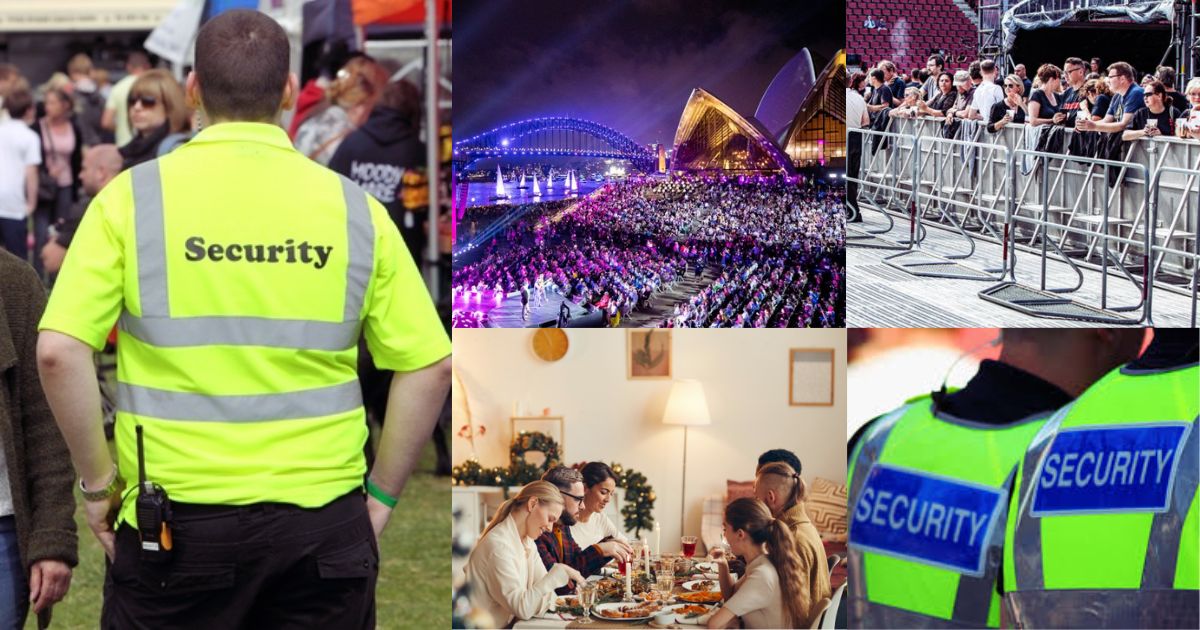
Across Australia, crowded places are part of everyday life – from festivals and concerts to shopping centres, sporting events, transport hubs, and public celebrations. While these environments bring people together, they can also become high-risk if safety is not properly managed.
Understanding why crowds become risky and how safety is maintained helps the public make better decisions and stay alert during busy periods.
Why Crowded Places Increase Safety Risks
When large numbers of people gather in a confined space, normal movement patterns change. Small issues can escalate quickly if not identified early.
Common factors that increase risk in crowded places include:
-
High foot traffic and limited space
-
Reduced visibility and restricted movement
-
Increased stress, noise, and confusion
-
Alcohol consumption during celebrations
-
Limited awareness of exits and emergency routes
In these conditions, even minor incidents can lead to panic, injury, or disruption if crowds are not managed correctly.
Festive Crowds and Public Events: Why Extra Care Is Needed
Festive periods such as Christmas events, New Year celebrations, cultural festivals, concerts, and major sporting matches attract large and diverse crowds. These events often involve:
-
Temporary structures and stages
-
High emotional energy and excitement
-
Families, elderly attendees, and children
-
Night-time conditions and changing environments
Without proper planning and monitoring, festive crowds can experience overcrowding, unsafe congestion, or delayed emergency responses.
How Professional Security Companies Manage Crowd Safety
A trained security company plays a critical role in keeping crowded environments safe. Their approach is proactive, structured, and focused on prevention rather than reaction.
Key crowd safety measures include:
1. Crowd Flow Management
Security teams monitor how people enter, move through, and exit an area. This helps prevent bottlenecks and overcrowded zones.
2. Visible Security Presence
A visible security presence reassures the public and discourages unsafe behaviour. It also allows quick intervention when issues arise.
3. Entry and Exit Control
Managing access points ensures crowd numbers remain within safe limits and that emergency exits remain clear at all times.
4. Early Risk Identification
Trained personnel watch for early warning signs such as agitation, congestion, or unsafe movement patterns before they escalate.
5. Coordination With Event Organisers and Authorities
Security teams work closely with event staff, emergency services, and local authorities to ensure rapid communication and response when needed.
What the Public Can Do to Stay Safe in Crowded Places
Crowd safety is a shared responsibility. While professional security teams manage the environment, individuals can take simple steps to protect themselves and others.
Practical safety tips include:
-
Stay aware of your surroundings
-
Identify exits when entering a venue
-
Avoid overcrowded areas when possible
-
Follow instructions from security staff
-
Keep children and vulnerable people close
-
Remain calm and move steadily if conditions change
Being alert and cooperative helps reduce risk for everyone.
Why Crowd Safety Planning Matters for Events
Well-managed events don’t rely on luck. They rely on planning, trained personnel, and clear procedures. Crowd safety planning includes:
-
Risk assessments before the event
-
Defined crowd capacity limits
-
Emergency response procedures
-
Clear signage and communication
-
Continuous monitoring throughout the event
These measures help ensure that public gatherings remain enjoyable, controlled, and safe.
Crowded Places Are Safer When Awareness Comes First
Crowded environments don’t become dangerous by default – they become risky when warning signs are ignored or safety measures are missing. With proper crowd management, professional security support, and public awareness, risks can be significantly reduced.
Whether attending a festival, shopping during peak times, or joining a public celebration, staying informed and alert is one of the most effective ways to stay safe.